




· By Moni Dajee
June in The Wild Bee Garden
From Garden to Table
My third instalment of notes and observations from my sanctuary.
An opportunity to remember, reflect, observe, and mindfully learn from our mutually platonic relationship with Mama earth. There is something magical about eating food grown just a few steps from where you sit.
In The Wild Bee garden, the seasons set the pace. We grow, forage, watch, wait and cook with what is around us - taking our cues from the plants, the bees, the weather and the wild creatures that share this little patch of earth.
It is a simple way of reconnecting with food: grow what you can, forage responsibly, eat seasonally and waste less.
Life in The Wild Bee garden
June is a particularly generous month in the garden.
The lavender is flourishing, filling the air with its euphoric scent.
OLD LADY PLANT -
...as my mum used to say.
So much plant power in this purple perennial. Bundled up and hung to dry, ready to become part of future natural concoctions and seasonal rituals.
The poppy peonies are blooming too, attracting bumblebees that nestle deep inside the flowers, their fluffy bums hanging out. Their season may be fleeting, but watching pollinators move from flower to flower is a reminder of just how much life exists in even the smallest garden.
And then there are the courgettes.
My courgette babes are off to a phenomenal start. Hoping the Sky gods will surprise us with more bursts of rainfall and sunshine this week and inevitably, a few more wonderfully wonky courgettini.
The Garden Is More Than Food
The garden is constantly changing. Flowers open and fade. Fruit ripens. Seeds fall. Bees forage. Beetles wander through. Hornets assert their dominance.
When you pay attention, even an ordinary afternoon becomes an opportunity to learn.
One day, a magnificent stag beetle appeared beside the hive. These extraordinary insects are a reminder to slow down and actually look at what is happening around us.
IT'S RUDE TO STARE...but I couldn't take my eyes off this magnificent creature. This stag beetle decided to pay our hive a brief visit.
Symbolically, the beetle has an interesting spiritual meaning. They represent hard work, a situation or goal we must persevere with, slow but successful development, stability, love, persistence, colourfulness, creativity, solidarity, instinct, and intuition. The beetle is also linked with success because of their determination and devotion to goals. They’re a symbol of transformation and luck. They are often associated with imagination and creation.
So the next time you see this beaut, consider yourself lucky!
That is the essence of The Wild Bee Garden - observe first, then participate.
From Garden to Table
Eventually, all that growing becomes dinner.
One evening, the garden provided thyme, rosemary, potatoes, courgettes, kale and spring onions.
The potatoes were roasted with fresh thyme and rosemary, while the courgettes, kale and spring onions became a tangy chicken stew, marinated with tamarind, ginger and orange.
Nothing elaborate. Nothing overcomplicated. Just seasonal ingredients, picked when they were ready and turned into something nourishing.
That is the beauty of seasonal cooking. When your ingredients are fresh and full of flavour, you don't need to do very much to them.

Foraging for Wild Food
The garden isn't the only place we find food.
On one casual walk, we came across ripening forest fruits - some made it into a basket, while others, admittedly, went straight into our mouths.

SEASONAL CRUMBLE - A quick dash around some of our favourite foraging spots to collect some apples for tomorrow's crumble.
It's still crazy to me that an average supermarket apple can be over a year old. So there's something really wonderful about just simply picking these beauties straight from the tree, fresh and full of nutrients and minus the chemicals.
Seasonal, sufficient and safe :)

Foraging encourages a different relationship with food. Instead of asking, What do I fancy eating?, you begin to ask:
What's growing now?
And that question changes everything.
It leads you towards seasonal ingredients, local abundance and a much closer understanding of the natural world.
Always forage responsibly and only eat plants, berries or fungi that you can identify with absolute certainty.
Double Strawberries & Wonky Wonders
There is something wonderfully rebellious about imperfect food. A wonky courgette, an unusual strawberry or an apple picked straight from a tree doesn't need to look like supermarket produce to be good.
These imperfections are part of the joy of growing and foraging your own food. Produce with personality.
A double strawberry might not look perfect, but it is every bit as delicious. The symbol of Venus, Goddess of Love. A legend says that if you share a double strawberry with someone, you will fall in love.
The weird ones taste the best.
Why Seasonal Food Matters
There is a particular satisfaction in eating with the seasons.
Food grown close to home can mean fewer food miles, less packaging and a stronger connection to where our food comes from. Growing even a small amount yourself also gives you a much better appreciation of the time, soil, water, pollinators and care involved in producing something as simple as a courgette or an apple.
And seasonal food simply tastes good.
Fresh herbs picked from the garden. Berries gathered on a walk. Apples picked directly from the tree. Free of pesticides and full of real flavour.
It is difficult to beat.
From the Garden to Your Everyday Rituals
For us, the garden is not separate from the rest of life.
The same plants that feed us can inspire our rituals, remedies and creative practice.
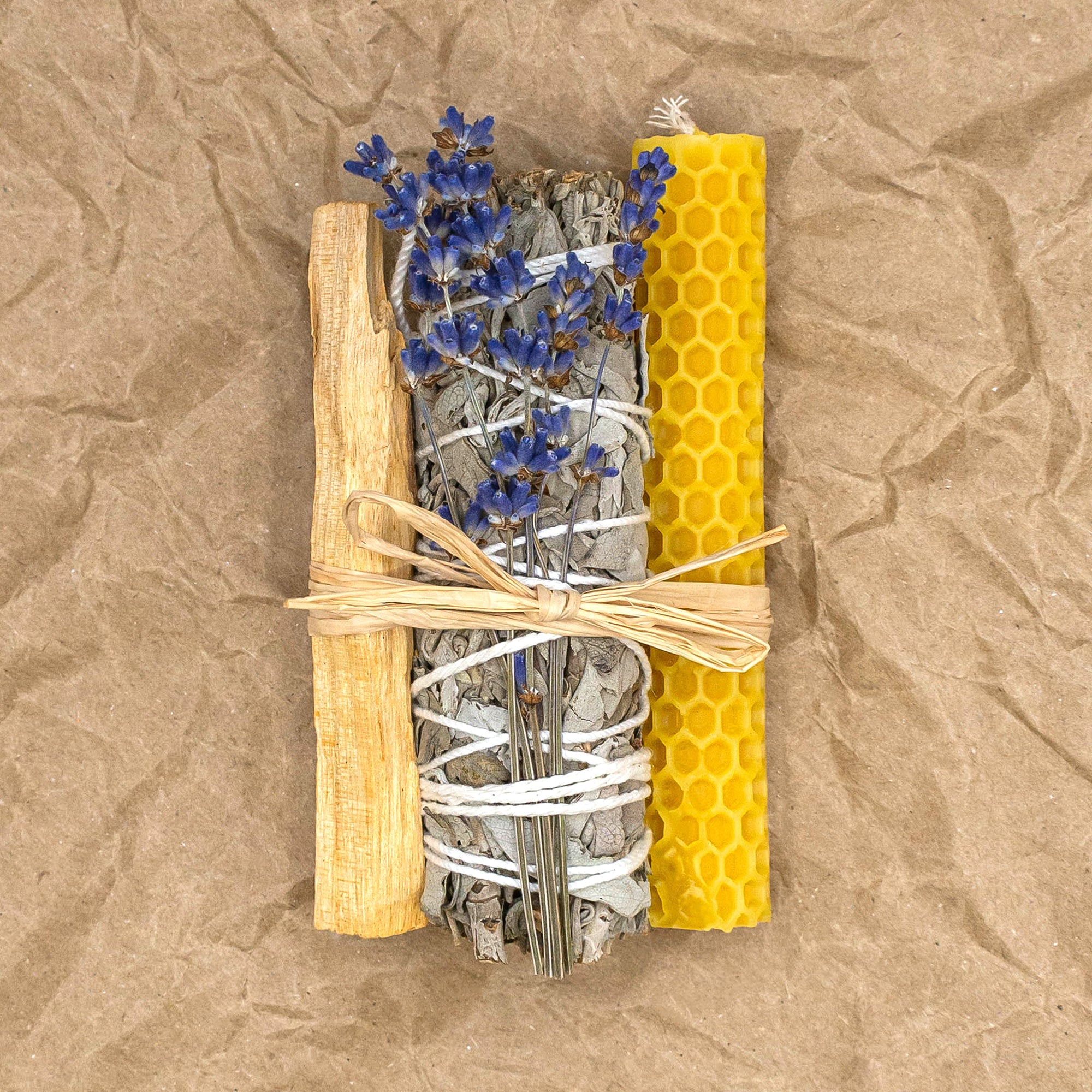
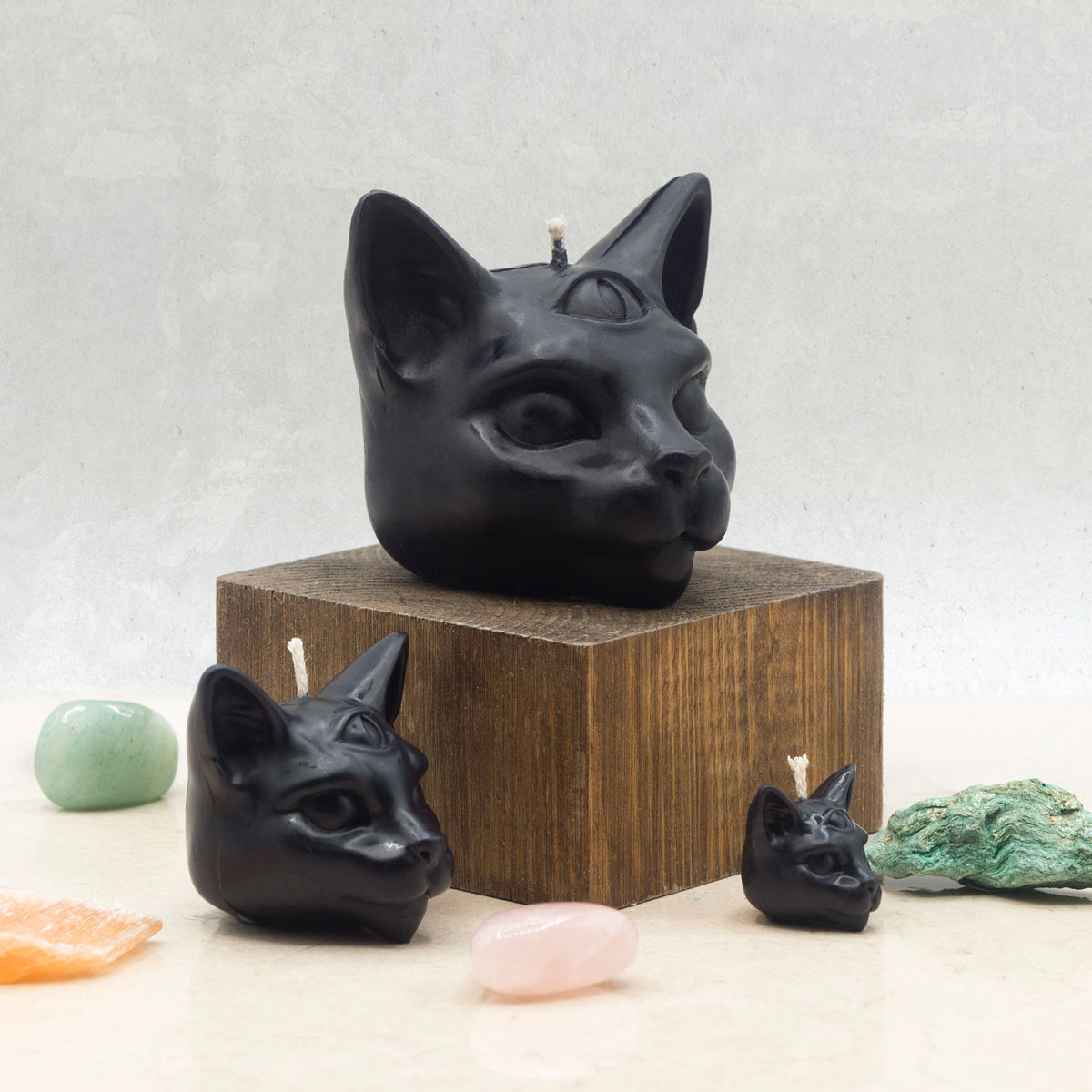
Lavender can be dried for future preparations. Herbs can move from soil to kitchen. Beeswax from our hives becomes candles. Honey becomes part of the pantry.
It is all connected.
People. Planet. Pollinators.
That connection sits at the heart of The Wild Bee Co.
A Slower Way of Living
Perhaps the biggest lesson from the garden is simply to pay attention.
Notice the first strawberry.
Watch a bee disappear into a peony.
Pick a handful of herbs for dinner.
Stop and look at the beetle beside the hive.
Take the long way home and see what is growing.
Seasonal living doesn't have to mean radically changing your life. Sometimes it begins with something as small as growing a few herbs on a windowsill, buying food when it is in season, planting flowers for pollinators or learning how to forage safely.
The more closely we look, the more abundant the world becomes.
Share:
0 comments
WILDCRAFTED - RECIPES, REMEDIES + RITUALS
-

ASAP: As Slow As Possible
We’re used to seeing ASAP as a command to hurry. It feels rebellious to choose slowness in a world that rewards hustle culture.
-

Blackcurrant Hoisin Sauce
Rich, glossy and bursting with sweet, tangy berry flavour, this blackcurrant hoisin sauce has all the deep notes you expect, but with an extra fruity richness that makes you want to add a good dollop to every pancake.
-

The Benefits of Planting Wildflowers
Wildflowers turn abandoned fields into wondrous dreamlands. They are independent, resilient plants that bring beauty to the mundane. Like wildflowers we must allow ourselves to flourish and grow in all the unlikely places people never thought we could.