




· By Moni Dajee
September in The Wild Bee Garden
Growing, Harvesting & Preparing for Autumn
FROM THE SANCTUARY
September has brought about significant changes in our sanctuary.
Unexpected warm days sporadically show up, prolonging Summer but the first signs of autumn are beginning to emerge. Evenings have started to visit earlier. There's an occasional chill in the air. Leaves begin turn auburn and crispy. Fall is fast approaching with Winter right behind her. The garden and apiaries slowly shifts their energy from abundance and growth towards rest and hibernation.
This year I embrace the drift between these two seasons. There will be inevitable miserable, gloomy days, typical of UK weather. There will also be an influx of captivating transitioning colours soon to come and cosy nights with a cup of Dirty Masala chai.
For me, September is a reminder to slow down and retreat.
The garden has become more than somewhere to grow vegetables. It is my sanctuary - a place to ground myself, reconnect with the rhythm of the seasons and remember that everything has its own rhythm.
And this month, the garden has been generous.
A September harvest from the garden
One of my favourite things about growing your own food is the unexpected abundance that appears when you stop trying to control everything. Gardens should be messy and unpredictable, the pollinators thrive.
This month's harvest brought together a colourful collection of vegetables, herbs and seeds:
- Spring onions
- Thai basil
- Chives
- Sweet long peppers
- Cherry tomatoes
- Heirloom and unusual tomatoes
- Coriander seeds from a bolted coriander plant
- Bullet chillies
- Mauritian cucumbers
- Cavolo Nero kale
- Curly kale
Some of these made their way straight from the garden to the kitchen, becoming a sweet-and-sour chilli paneer alongside a fresh cucumber and basil salad.
There is something deeply satisfying about eating nourishing food that you have nurtured from a tiny seed.
Growing food for autumn and winter
While some of the summer crops are still producing, the garden is already preparing for the colder months.
Brussels sprouts, kale and cabbage are beginning to establish themselves, while the last sunflowers and wild strawberries continue to brighten the garden.
There is never really a moment when the garden stops.
One crop is finishing as another begins. Flowers fade and seeds form. Blight moves through the green house. Leaves change colour. Mites take over the brassicas. The soil rests. Seeds wait. It's never ending.
Gardening with the bees and wild pollinators
The garden is also a meeting place for more than just people.
Bees, birds, butterflies and other wild pollinators move through the flowers and plants, quietly connecting one part of the garden to another.
For a beekeeper, it is impossible not to notice this relationship.
The health of our bees is intimately connected to the plants around them - and the plants depend on pollinators in return. A garden is more than a source of food for us, it is by default - habitat, shelter and nourishment for the creatures we share it with.
I leave space for flowers to go to seed. I allow some plants to grow beyond their perfect, tidy stage. I collect seeds rather than always buying new ones. And I try to see the garden as a living ecosystem, thriving with biodiversity, rather than something that needs to be constantly controlled.
Learning the rhythm of autumn
After spending several years away from London, this is one of the first times I have really been able to observe the rhythm of my sanctuary through autumn and winter.
In previous years, this part of the year often brought a sense of burnout and lethargy. As summer faded, I often felt myself struggling to find the stamina to persevere against the darker days ahead.
This year is different. I have planted my core in a space of inspiration. I have sown my ideas in an environment that will nurture them and help them grow. I anticipate my mood changing.
Instead of resisting the changing seasons, I'm learning to move with them.
The misty mornings. The earlier sunsets. The smell of rain.
There is beauty in the transition.
We are not meant to bloom constantly.
Perhaps, like the garden, we are allowed to have seasons of growth, abundance, release and rest.
Creating a self-sufficient sanctuary
My vision for the garden is slowly evolving into something more than a vegetable patch.
I want it to become a small, living sanctuary - somewhere I can grow food, nurture pollinators, save seeds, forage, experiment with plants and learn from the natural world.
A place where the boundaries between garden, kitchen, hive and ritual become beautifully blurred.
This is the beginning of my journey towards a more self-sufficient way of living. I am just learning.
The garden teaches me that nothing exists in isolation and everything is interwined.
The bees need the flowers.
The flowers need the pollinators.
The vegetables need the soil.
The soil needs the rain.
From garden to table, from hive to home
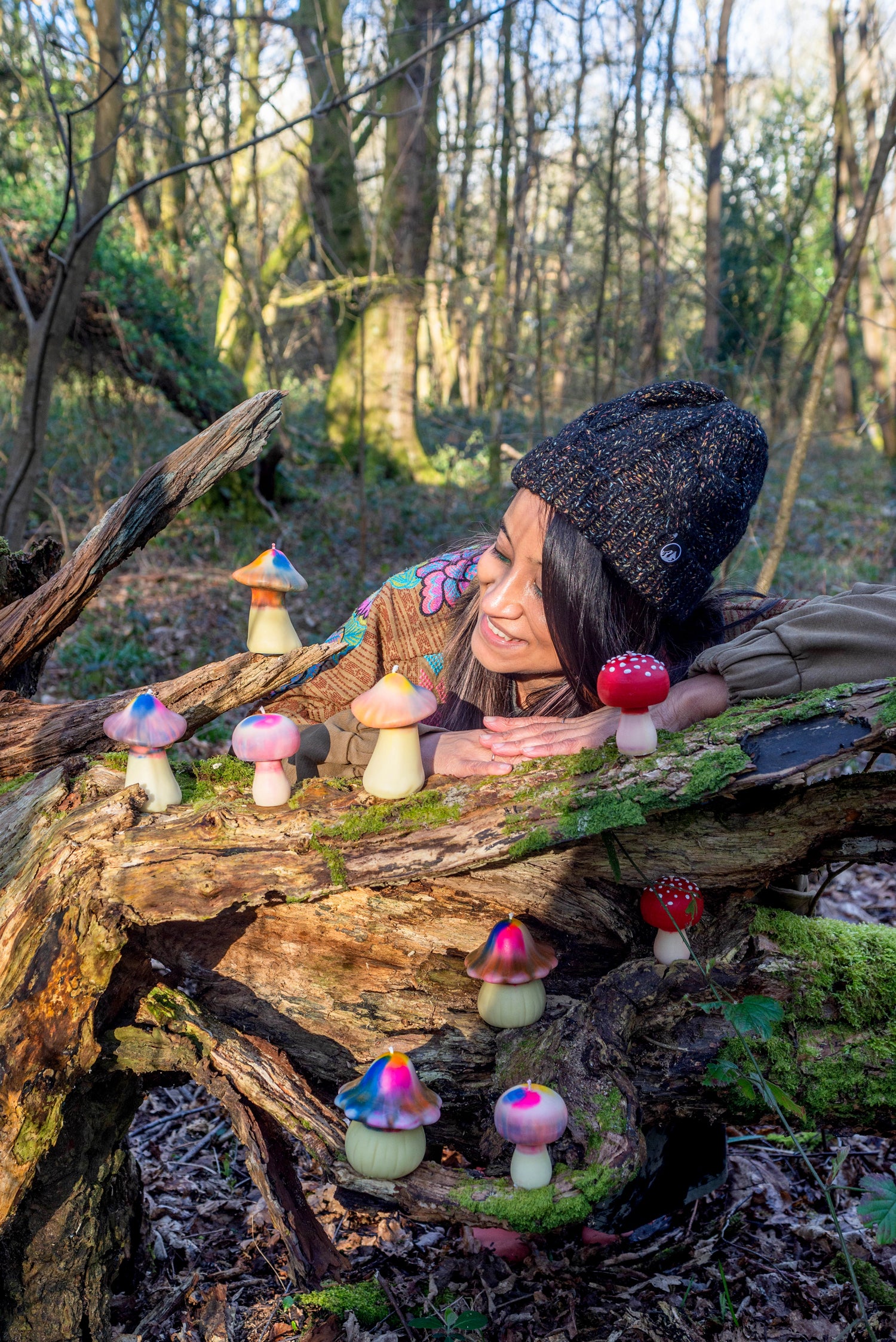
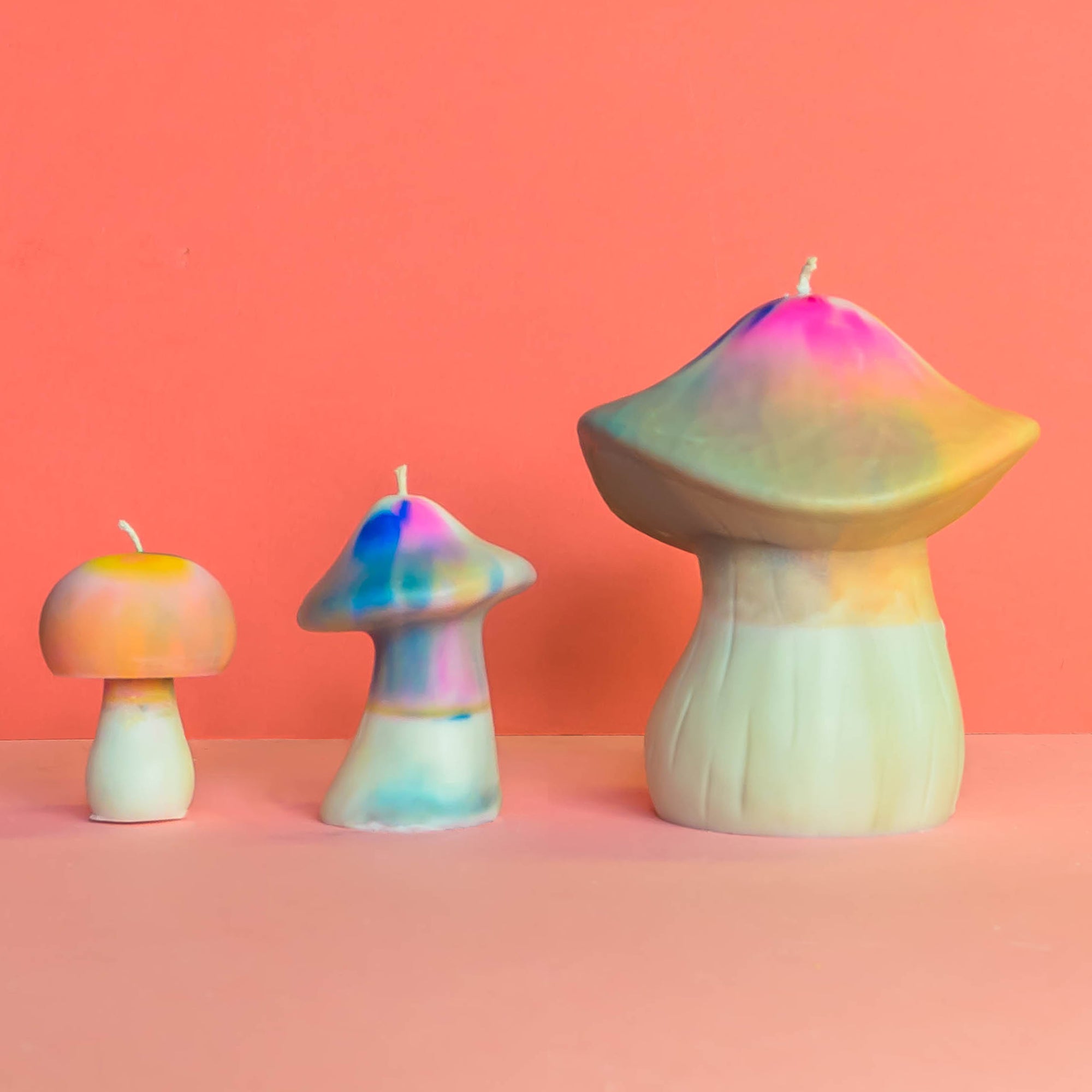
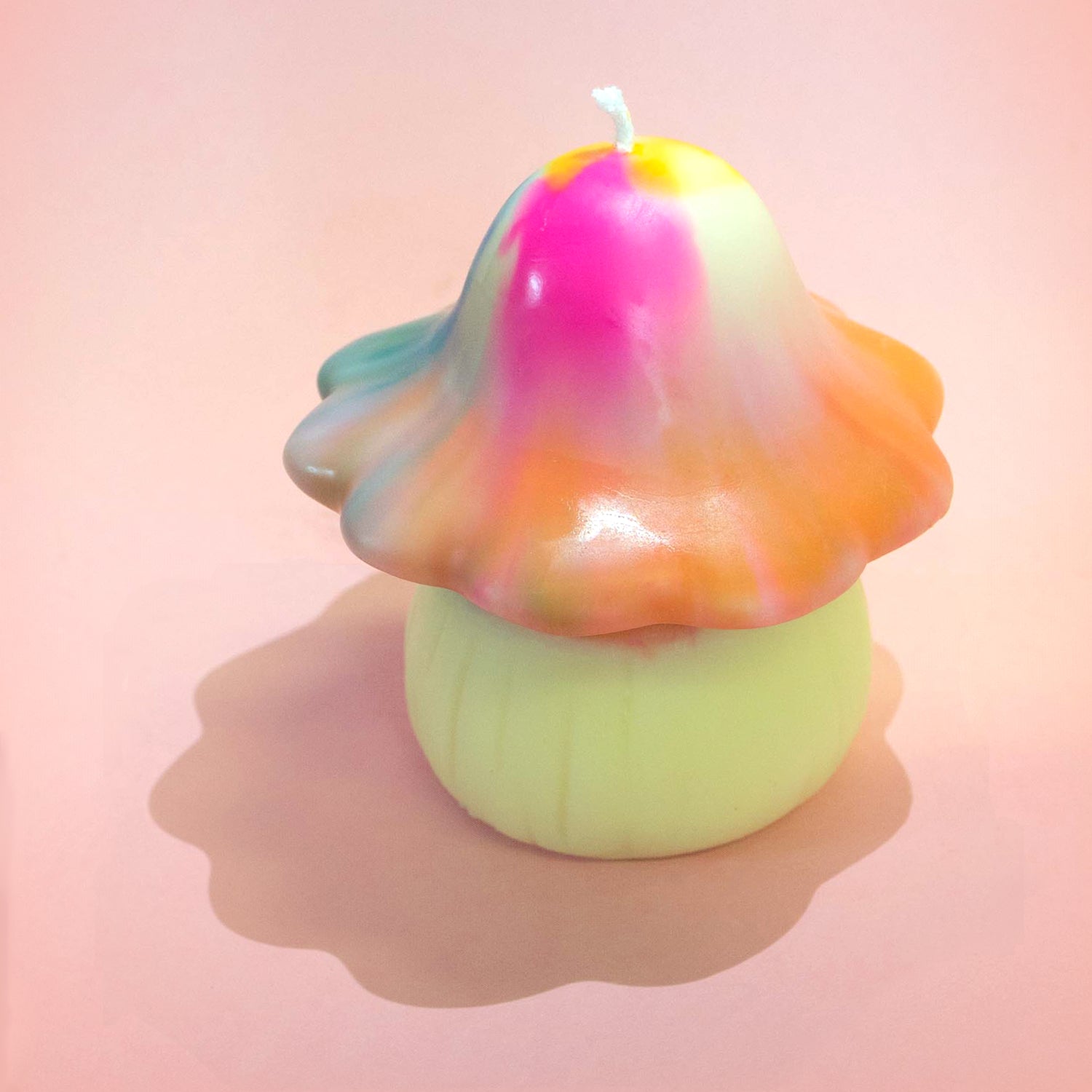
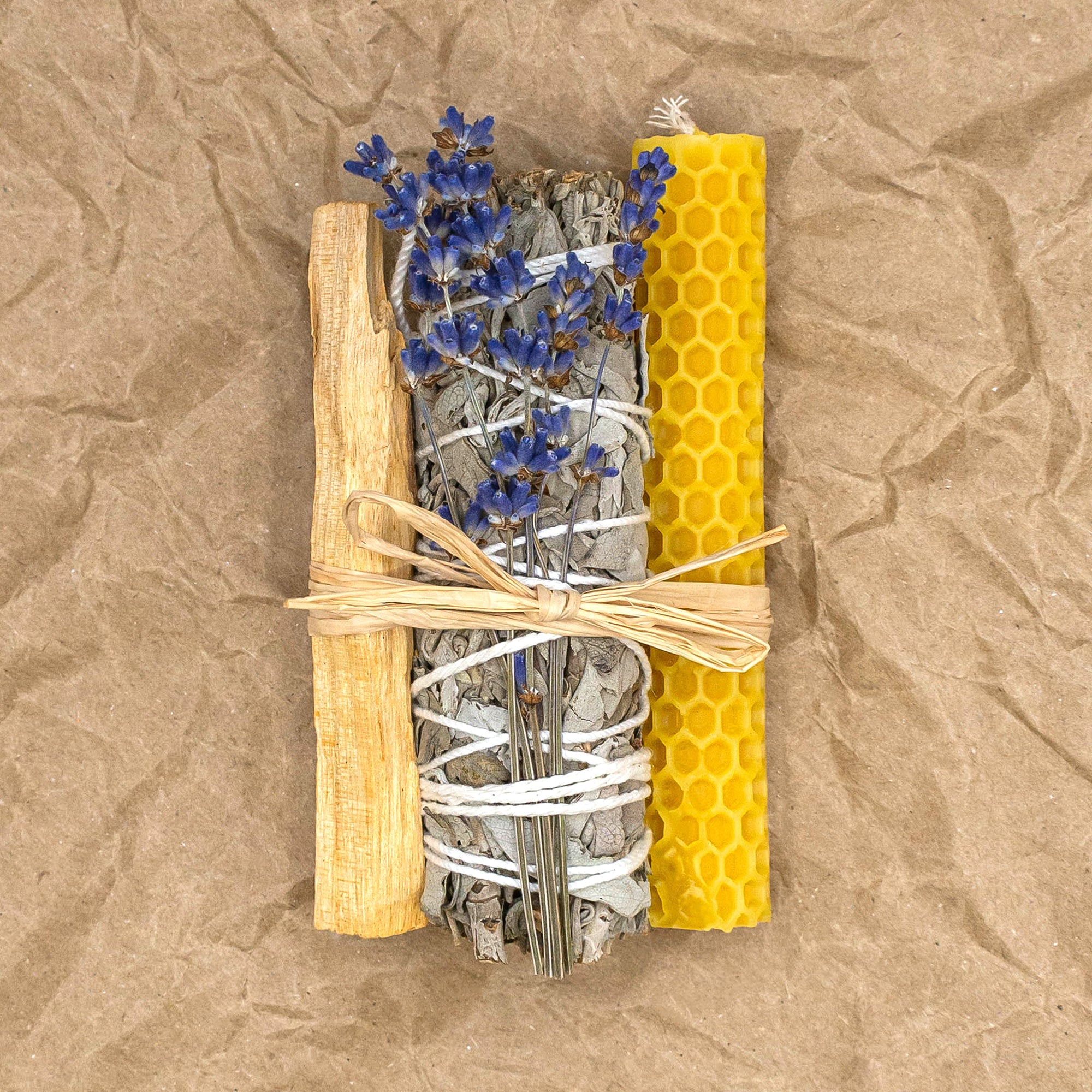
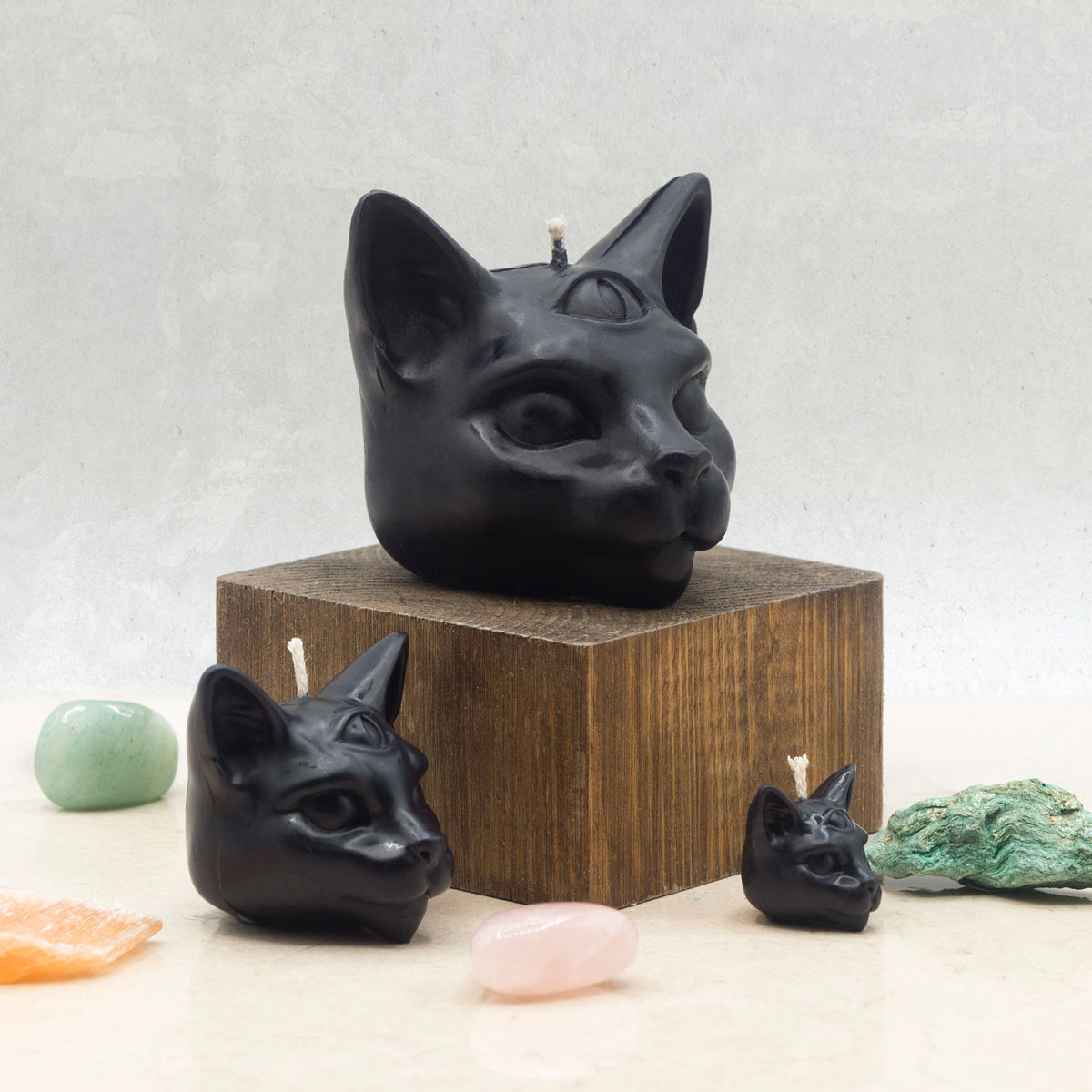
Some of that abundance finds its way into the kitchen. Some becomes botanical ingredients, remedies and rituals. Some becomes beeswax candles, made from a material created by the bees themselves.
And some of it simply stays in the garden - feeding the bees, providing habitat for pollinators, nourishing the Earth and reminding me that not everything needs to be harvested to have value.
And as I watch the bees move between the last summer flowers, I am reminded once again that everything is temporary.
Thank you, Mama Earth.
Thank you, Mama Moon.
Thank you, bees.
— Moni Dajee, founder of The Wild Bee Company | artist, apiarist + alchemist

Share:
0 comments
WILDCRAFTED - RECIPES, REMEDIES + RITUALS
-

ASAP: As Slow As Possible
We’re used to seeing ASAP as a command to hurry. It feels rebellious to choose slowness in a world that rewards hustle culture.
-

Blackcurrant Hoisin Sauce
Rich, glossy and bursting with sweet, tangy berry flavour, this blackcurrant hoisin sauce has all the deep notes you expect, but with an extra fruity richness that makes you want to add a good dollop to every pancake.
-

The Benefits of Planting Wildflowers
Wildflowers turn abandoned fields into wondrous dreamlands. They are independent, resilient plants that bring beauty to the mundane. Like wildflowers we must allow ourselves to flourish and grow in all the unlikely places people never thought we could.